


























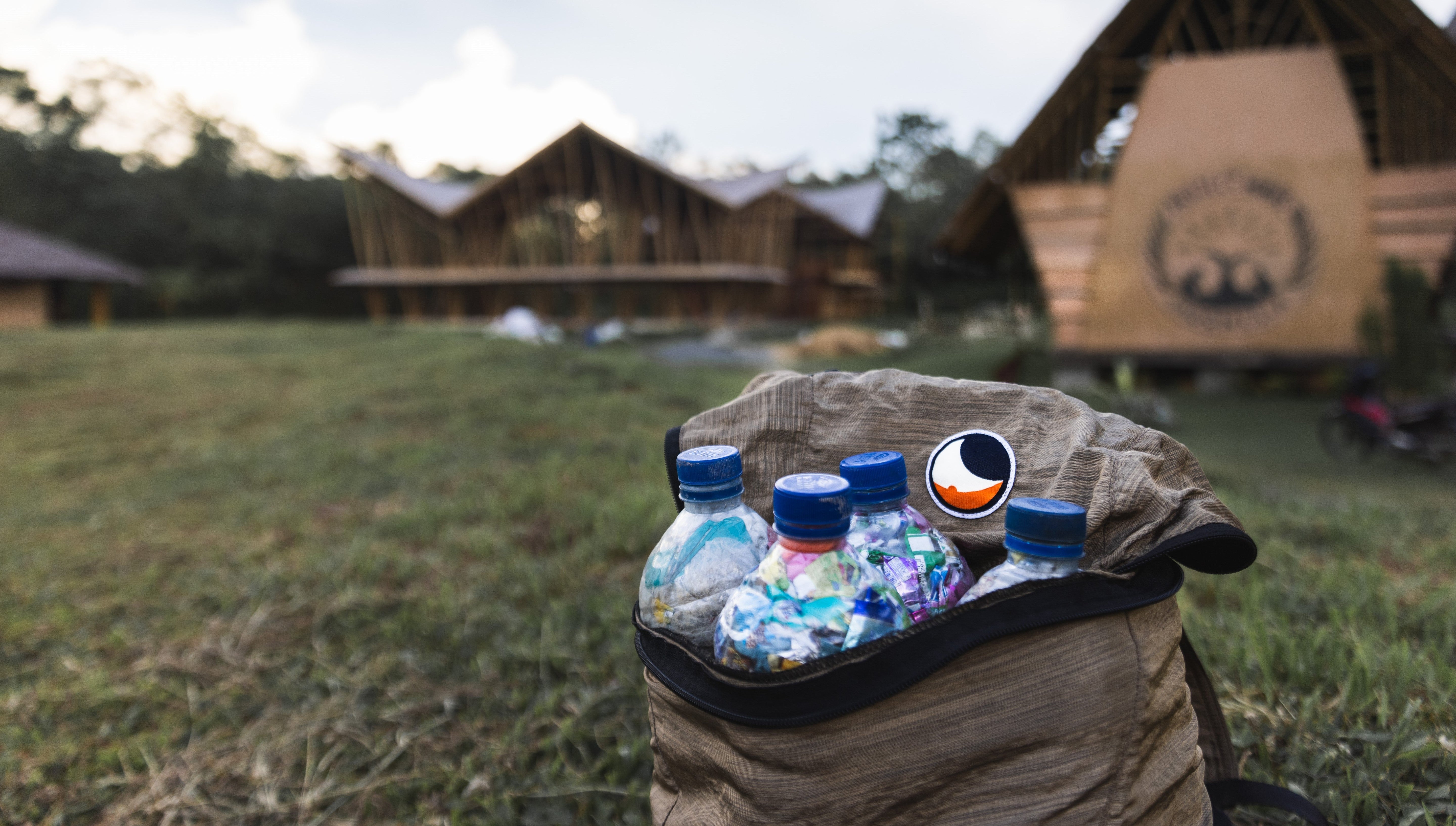
Rethinking Packaging: How We Prevent Waste Before Recycling
Part 2 of our series: An honest look at our sustainability decisions
Sustainability doesn't end with the product. When we talk about sustainability, many people first think of materials or manufacturing. But everything that accompanies a product on its journey also plays a role – above all, packaging. It is precisely here that resources can often be saved and waste avoided with simple decisions.
Why the best packaging is no packaging at all
Almost every product we buy is packaged multiple times: cardboard, plastic film, labels, and filling material accompany it all the way to our homes. Most of the time, these materials serve their purpose for only a few minutes before ending up in the trash. At the same time, in 2019, around 353 million tons of plastic waste were generated worldwide, about 40% of which came from packaging.¹ Packaging is therefore one of the largest, but also shortest-lived, uses of plastics.¹
While recycling plays an important role in a functioning circular economy, actual recycling rates remain limited worldwide. A significant portion of plastic waste is incinerated, landfilled, or enters the environment.¹ Therefore, a simple principle applies in the European waste hierarchy: waste prevention always comes first, even before reuse and recycling.²
Less packaging instead of more recycling
Against this background, a simple question arises: does every product even need additional packaging? For us, the answer is often no. Where possible, we avoid additional packaging materials, especially plastic polybags.
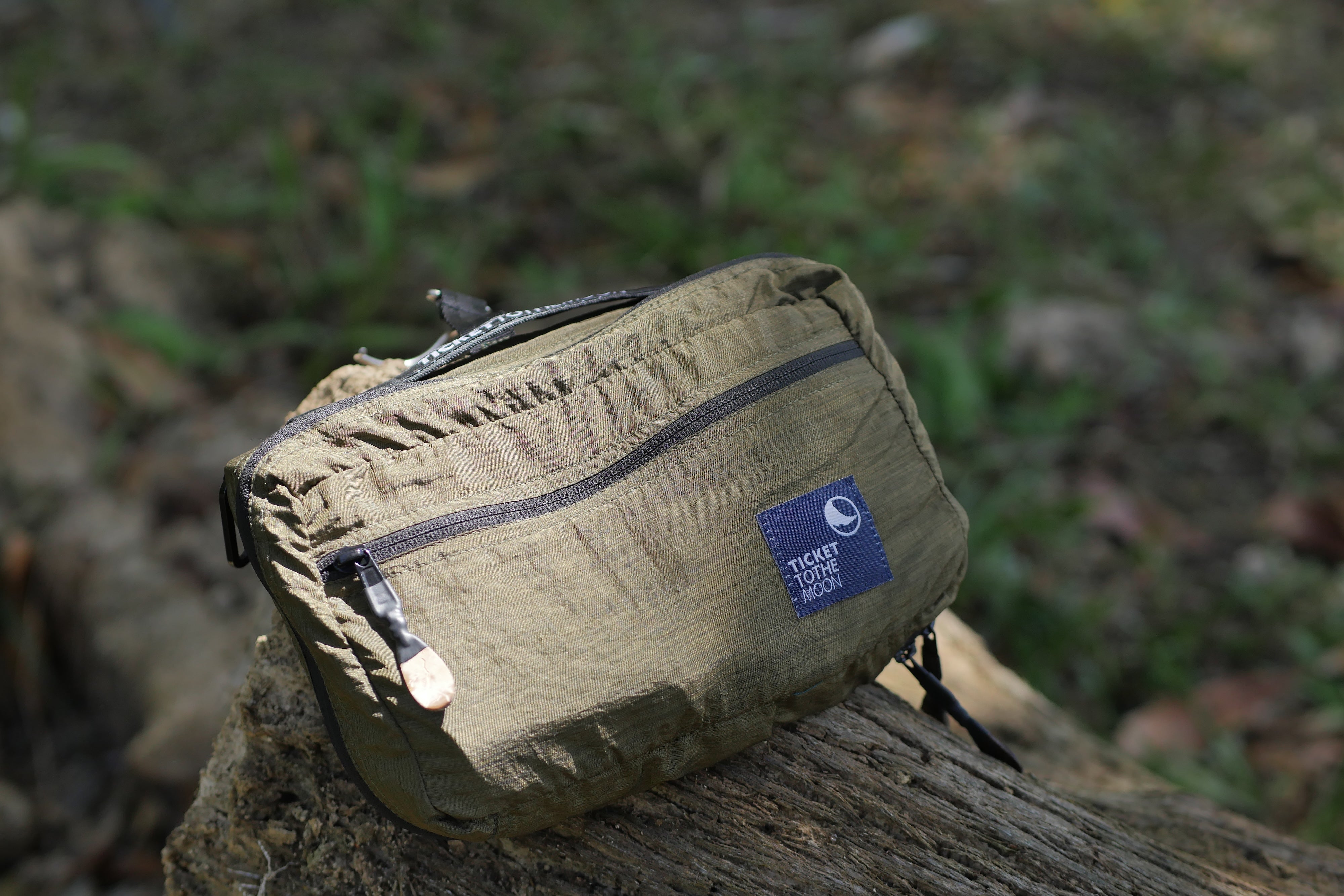
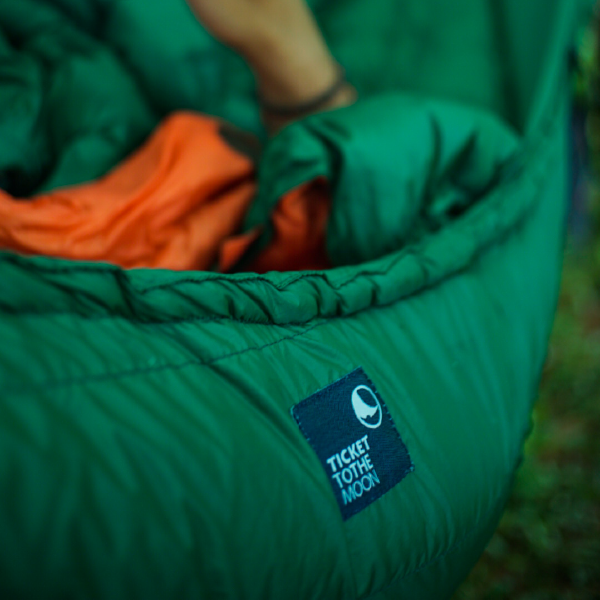
Many of our products are delivered directly in the stuff sack that later remains part of the product. Our hammocks, Express Bags, Pouches, and Eco Bags therefore require no additional plastic packaging. Our sleeping bags are also delivered without a separate polybag.

For hangtags, we use paper instead of plastic or laminate, partly already made from recycled fibers.

Of course, packaging cannot always be completely avoided. Where it is necessary, however, we try to make it as functional and material-efficient as possible. For example, we do not ship smaller orders from our European warehouse in new boxes, but in shipping bags from Wildplastic, which are made from plastic waste collected from nature, instead of new plastic.
Also for shipping: remnants get another purpose
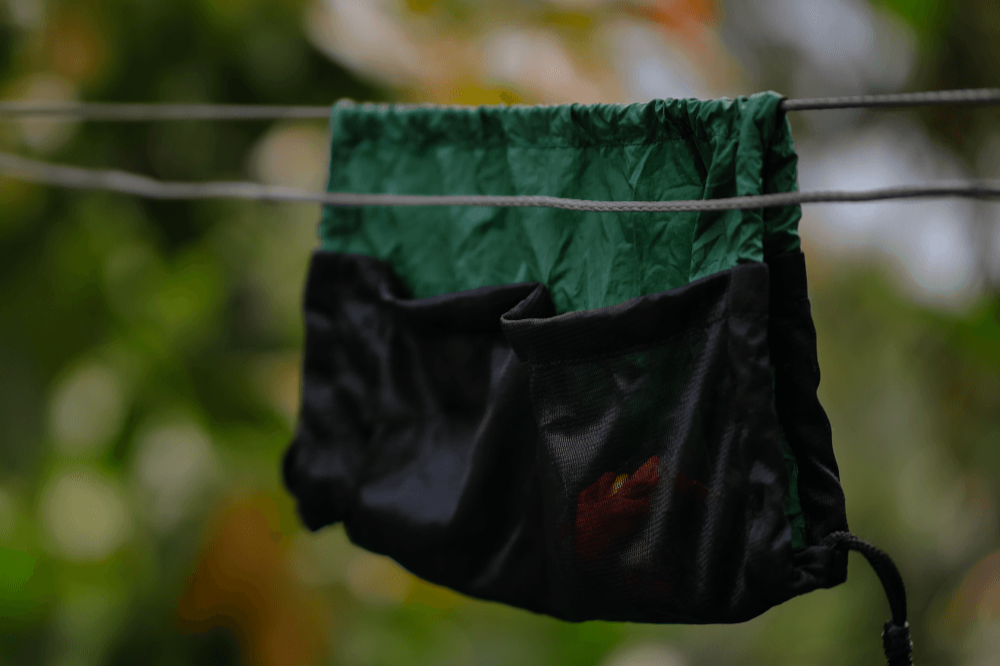
A small side aspect that is not directly related to packaging in the strict sense, but fits thematically: For our worldwide B2C orders, which are shipped directly from our manufacturing facility in Bali, we sometimes use mesh fabric scraps from mosquito net production and fabric scraps from hammock production as protective material during shipping, instead of buying extra new filling material for this purpose. Our Moonquilts also come with a small storage bag made from exactly these mosquito net scraps.
This is not a consistent system that covers every order, and in itself not a big solution, but it is one of the places where we try to reuse existing material instead of throwing it away.
Sustainability begins before recycling
Recycling remains an important building block of a sustainable circular economy. However, it is even more effective not to let materials become waste in the first place. Reducing packaging, reusing existing materials multiple times, and designing products as resource-efficiently as possible: That is where sustainable action begins for us.

The first part of our sustainability series was about how fabric scraps from hammock production become new products. This time, the focus was on how to avoid packaging waste from the outset. Because sustainability does not end with the product, but encompasses the entire journey from material to shipping.
Sources
- OECD (2022): Global Plastics Outlook: Economic Drivers, Environmental Impacts and Policy Options ↩.
- European Commission: Waste Hierarchy (Waste hierarchy according to EU Waste Framework Directive 2008/98/EC).



Leave a comment
This site is protected by hCaptcha and the hCaptcha Privacy Policy and Terms of Service apply.