



자투리에서 제품까지: 해먹 원단 조각으로 탄생하는 새로운 창작물
시리즈 1부: 지속가능성 결정에 대한 솔직한 고찰
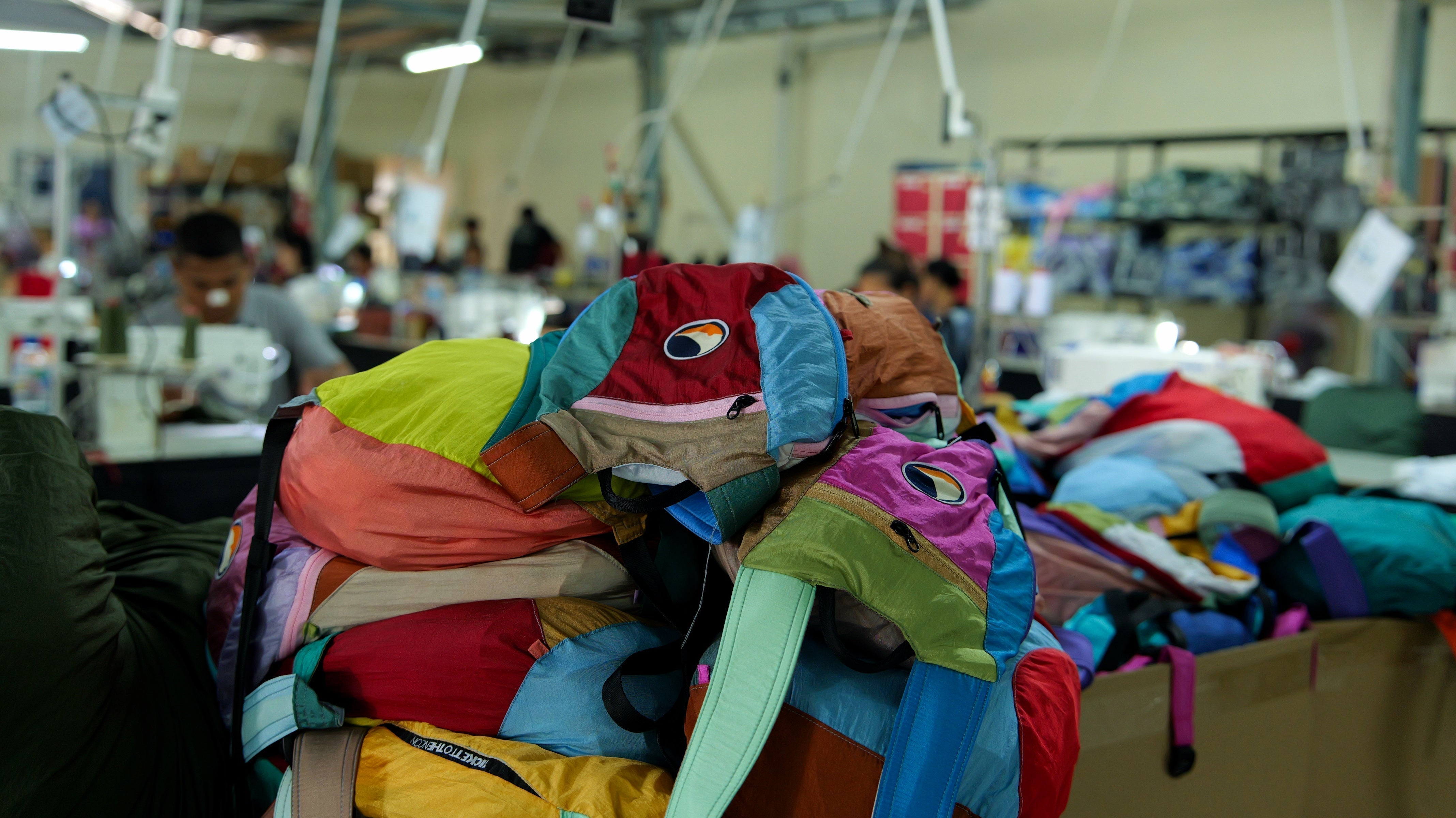
두 개의 컨테이너. 지난 2년간 저희 해먹 생산 과정에서 쌓인 원단 폐기물의 양입니다. 이 폐기물을 버리거나 재활용하는 대신, 저희는 직접 재사용하기로 결정했으며, 그 결과 저희 제품 포트폴리오의 상당 부분이 탄생했습니다.
폐기물에서 독립 제품으로
이 모든 것은 저희 해먹을 재단하고 남은 원단은 과연 어떻게 될까?라는 질문에서 시작되었습니다.
저희의 대답은 "버린다" 또는 "장식품을 만든다"가 아니라, 새로운 기능성 제품을 개발한다였습니다. 저희에게는 결과적으로 만들어지는 제품이 보기 좋을 뿐만 아니라 실질적인 목적을 가져야 한다는 것이 중요했습니다. 업사이클링에서도 기능성은 최우선 과제입니다.
세 가지 사례를 통해 실제 적용 사례를 소개합니다.
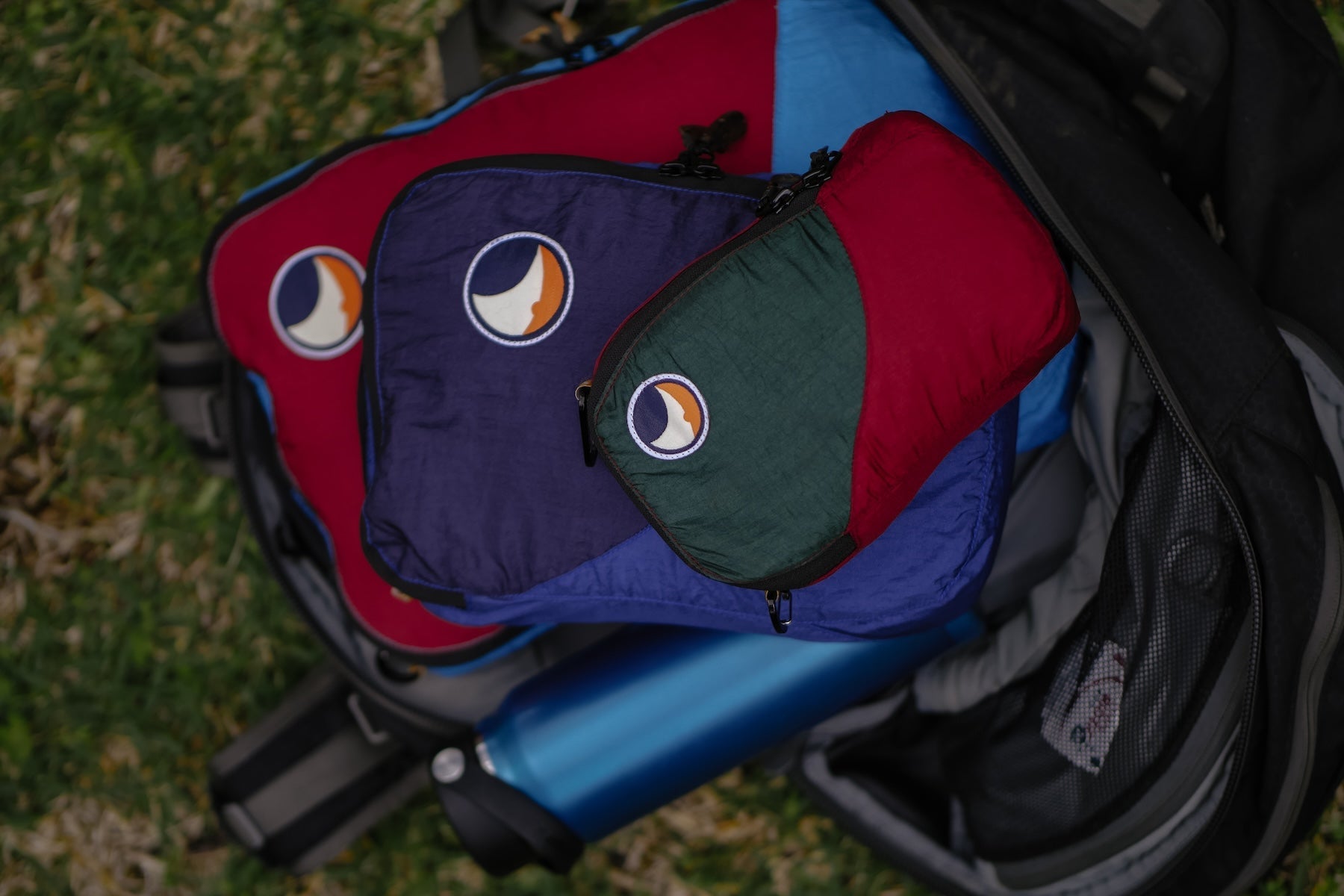
문 스트랩 파우치(Moon Strap Pouch) 는 의도적으로 독특한 색상, 즉 무작위 색상 조합으로 제작됩니다. 이것은 타협이 아니라 의식적인 결정입니다. 이러한 방식으로 사전에 색상별로 힘들게 분류할 필요 없이 거의 모든 원단 조각을 사용할 수 있습니다. 일반적으로, 독특한 제품은 업사이클링에서 저희에게 매우 중요합니다. 이를 통해 남은 재료를 빠르고 쉽게 활용할 수 있습니다.
저희의 독특한 제품에 대한 더 자세한 정보는 여기에서 확인하실 수 있습니다.

저희 문 스트랩 파우치
저희 가방 컬렉션은 기존의 남은 원단에 맞춰 특별히 제작됩니다. 먼저 계획을 세우고 재료를 주문하는 대신, 어떤 남은 원단이 있는지 확인하고 그에 따라 가방을 개발합니다.

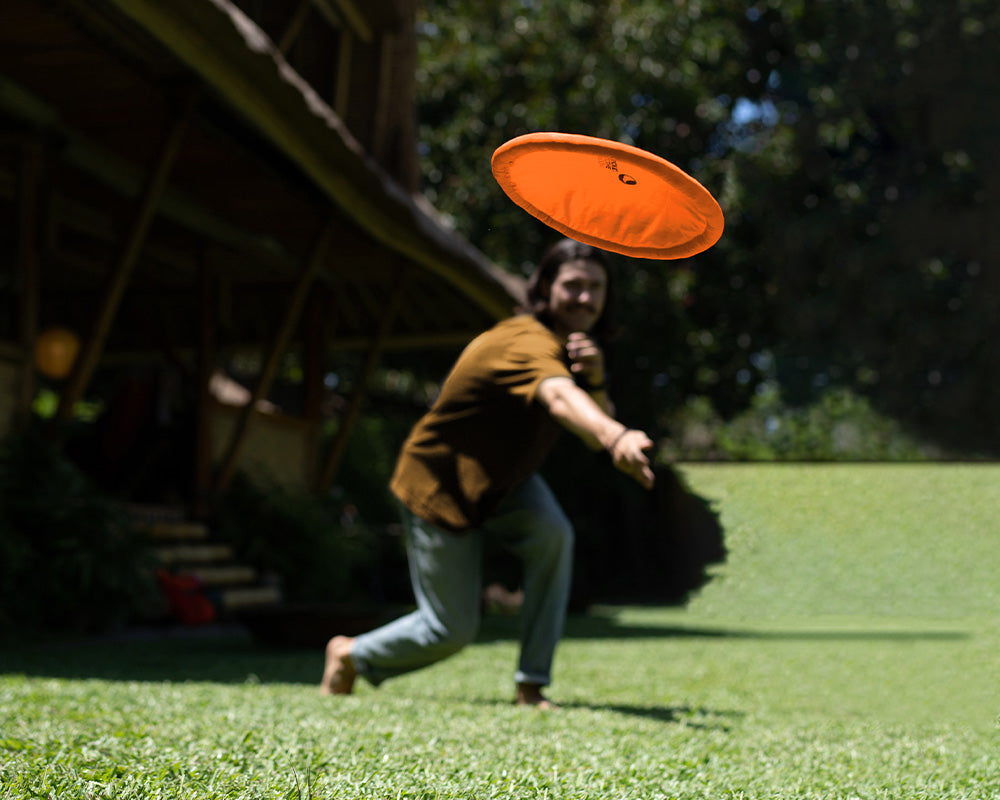
저희의 프리스비인 문 디스크(Moon Disc)는 한 걸음 더 나아갑니다. 큰 제품에는 너무 작은 가장 미세한 원단 조각조차 디스크의 테두리에 통합됩니다. 이런 식으로 가장 작고 마지막까지 남은 조각도 유용하게 활용됩니다.

섬유 산업의 문제는 과연 얼마나 심각할까요?
이 문제가 저희에게 왜 중요한지 이해하기 위해서는 문제의 규모를 살펴보는 것이 가치 있습니다. 전 세계적으로 매년 약 9,200만 톤의 섬유 폐기물이 발생하며, 이 중 상당 부분이 매립되거나 소각됩니다.¹ 이 중 상당 부분은 이미 생산 과정 자체에서 발생합니다(예: 재단 부산물 또는 팔리지 않은 상품).²
동시에 전 세계 섬유 생산량은 계속 증가하고 있습니다. 전 세계 섬유 생산량은 2000년 이후 두 배 이상 증가했으며, 전 세계 섬유 시장의 1% 미만이 실제 섬유 간 재활용에서 나옵니다.³
바로 이 지점에서 저희가 나섭니다. 이러한 배경을 고려할 때, 비교적 적은 양인 두 개의 컨테이너조차도 저희 규모의 회사에게 왜 중요한지, 그리고 생산 잔여물을 의미 있게 재사용하려는 모든 접근 방식이 변화를 만든다고 확신하는 이유가 명확해집니다.
업사이클링이 재활용과 다른 이유
업사이클링과 재활용은 종종 동의어처럼 사용되지만, 매우 다른 과정을 의미합니다. 전통적인 재활용에서는 재료를 구성 요소로 분해하여 산업적으로 재가공합니다. 그러나 이 과정에서 품질이 저하되는 경우가 많으며, 이를 다운사이클링이라고 부릅니다.⁴ 반면 업사이클링에서는 재료의 원래 형태가 대부분 유지되며, 분해하기보다는 창의적으로 가치를 높입니다.
이것이 업사이클링이 특히 자원 효율적이라고 여겨지는 이유이기도 합니다. 복잡하고 에너지 집약적인 분해 및 재가공 과정이 완전히 제거됩니다.⁵ 이것이 바로 저희의 경험입니다. 직물로 분해하거나 소각하는 대신 실제로 직물로 재사용되는 양이 많을수록 전체적인 균형이 좋습니다. 산업에서는 직물 잔여물이 종종 단순히 충전재로 사용되는데, 이는 본질적으로 다운사이클링의 한 형태입니다.⁶ 저희는 의식적으로 한 단계 더 나아가 잔여물을 완전한 평면 재료로 가공하여 독립적인 제품으로 만듭니다.
솔직한 부분: 효율성 대신 노력
이 모든 과정에서 종종 간과되는 점은 이 과정이 복잡하다는 것입니다. 저희의 높은 업사이클링률은 저희가 많은 부분을 수작업으로 재단하기 때문에 가능합니다. 모든 남은 원단 조각은 다릅니다. 새 재료처럼 표준화된 재단 패턴이 없습니다. 이 작업에는 시간이 많이 걸리며, 모든 조각을 측정하고 회계 처리하지 않기 때문에 실제로 얼마나 많은 재료와 자원을 절약하는지 정확하게 계산하기 어렵습니다. 결과적으로 이 제품들의 공헌 마진은 새 재료로 만든 제품만큼 좋지 않습니다.
그럼에도 불구하고, 저희는 계속 나아갑니다. 저희의 신념은 간단합니다. 원단을 재활용하거나 심지어 폐기하는 것보다 원단으로 재사용하는 것이 항상 더 낫습니다. 비록 더 많은 작업이 필요하고 수익성이 낮더라도 말입니다.

다음 단계
이 시리즈의 다음 게시물에서는 Ticket to the Moon에서 지속가능성이 어떻게 구현되는지 보여드릴 것입니다. 플라스틱 포장재 줄이기를 위한 저희의 노력부터 재활용 PET로 만든 언더퀼트의 단열재까지 다룰 예정입니다.
출처
- UN Environment Programme (UNEP) – Sustainable fashion to take centre stage on Zero Waste Day ↩, 2026-07-10 검색됨
- European Environment Agency (EEA) – Management of used and waste textiles in Europe's circular economy ↩, 2026-07-10 검색됨
- Textile Exchange – Materials Market Report 2025 ↩, 2026-07-10 검색됨
- Wikipedia – "Upcycling" ↩, 2026-07-24 검색됨
- Juanga-Labayen, J. P., Labayen, I. V., & Yuan, Q. (2022), "A Review on Textile Recycling Practices and Challenges" ↩, Textiles (MDPI), 2026-07-24 검색됨
- Cooper Hewitt, Smithsonian Design Museum – "Recycling Fashion's Remnants: Residential and Commercial Textile Waste" ↩, 2026-07-24 검색됨



댓글 남기기
이 사이트는 hCaptcha에 의해 보호되며, hCaptcha의 개인 정보 보호 정책 과 서비스 약관 이 적용됩니다.